Everything you need to know about sound healing: how it works, what to expect, and how it can support your wellbeing.
What is sound healing?
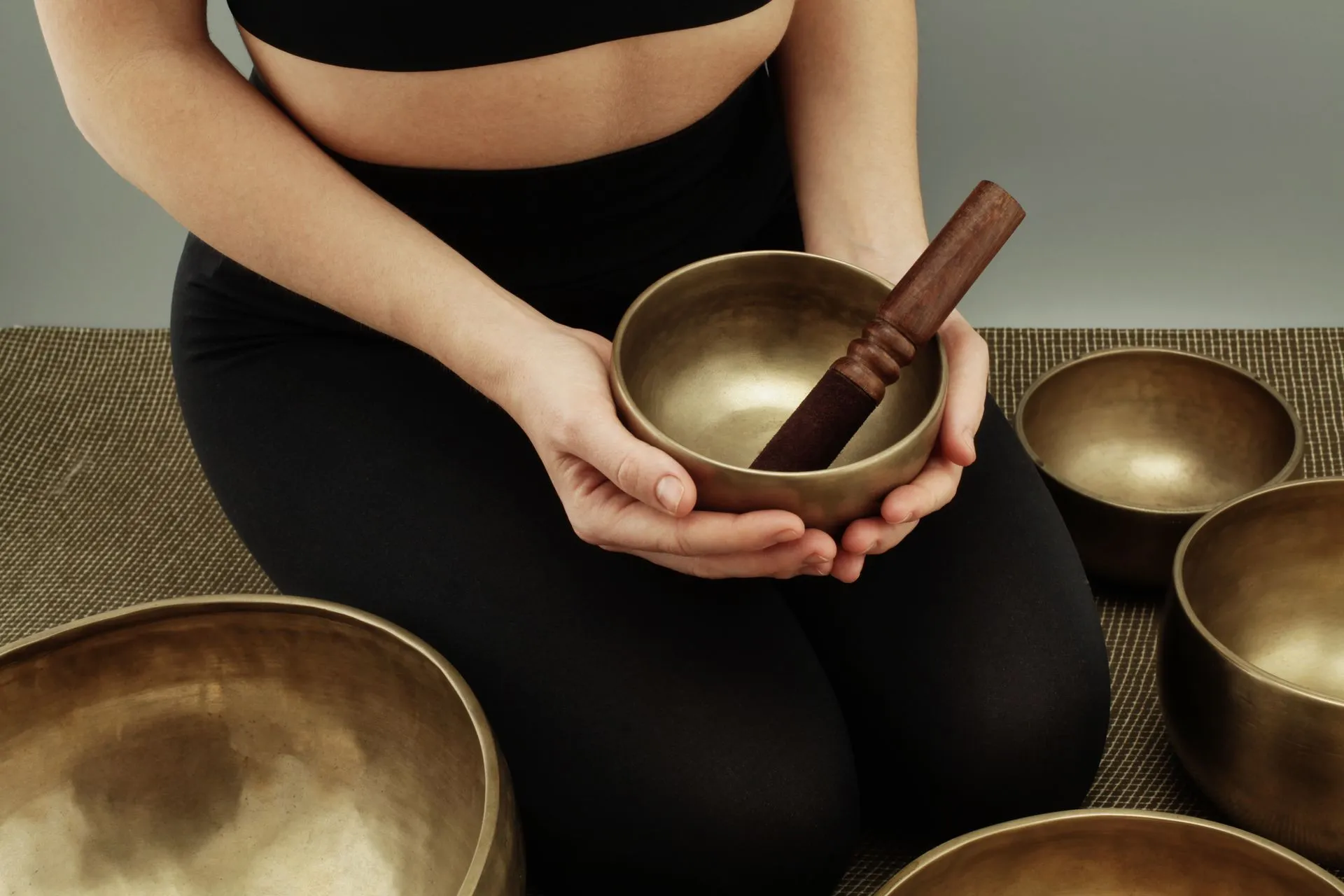
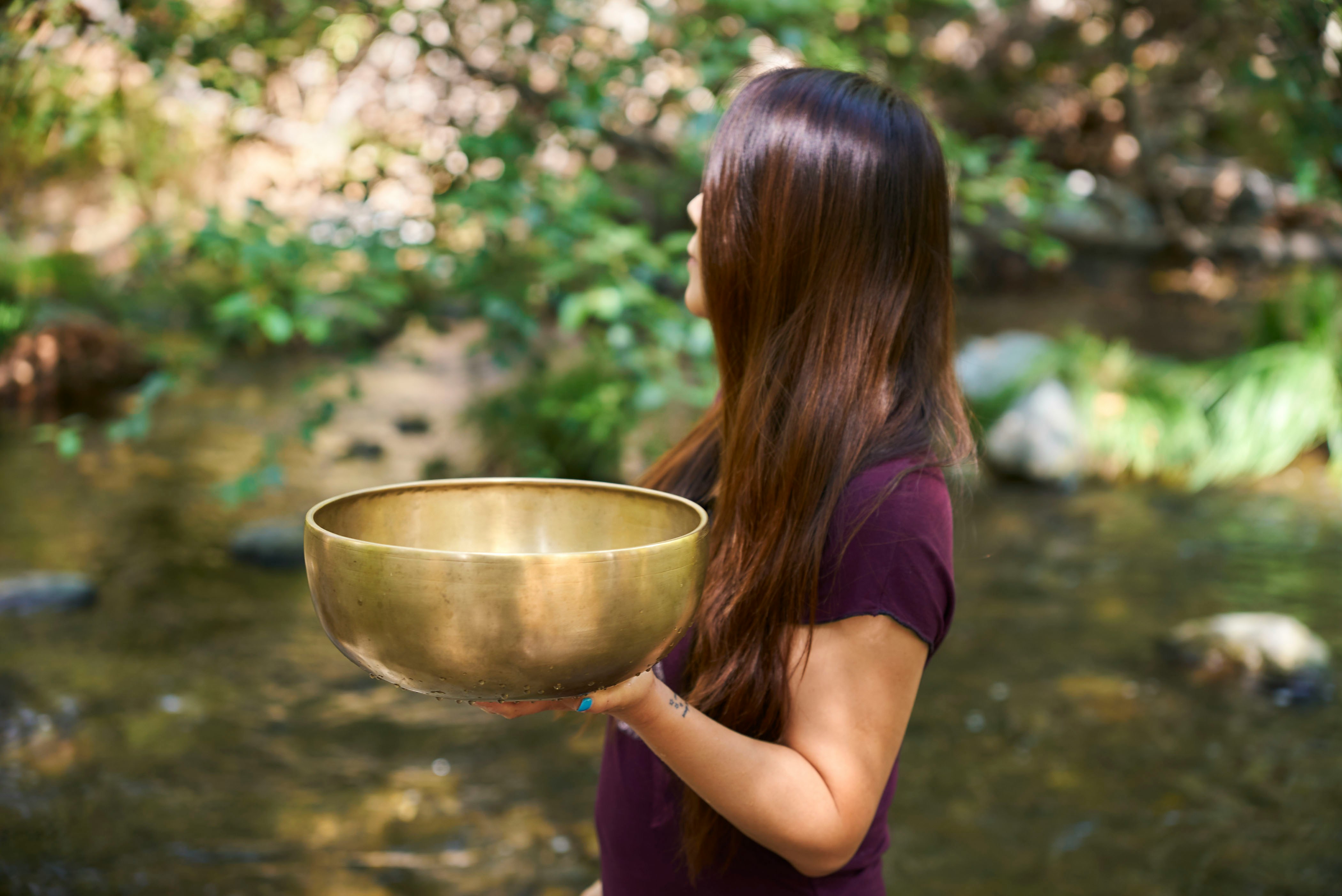
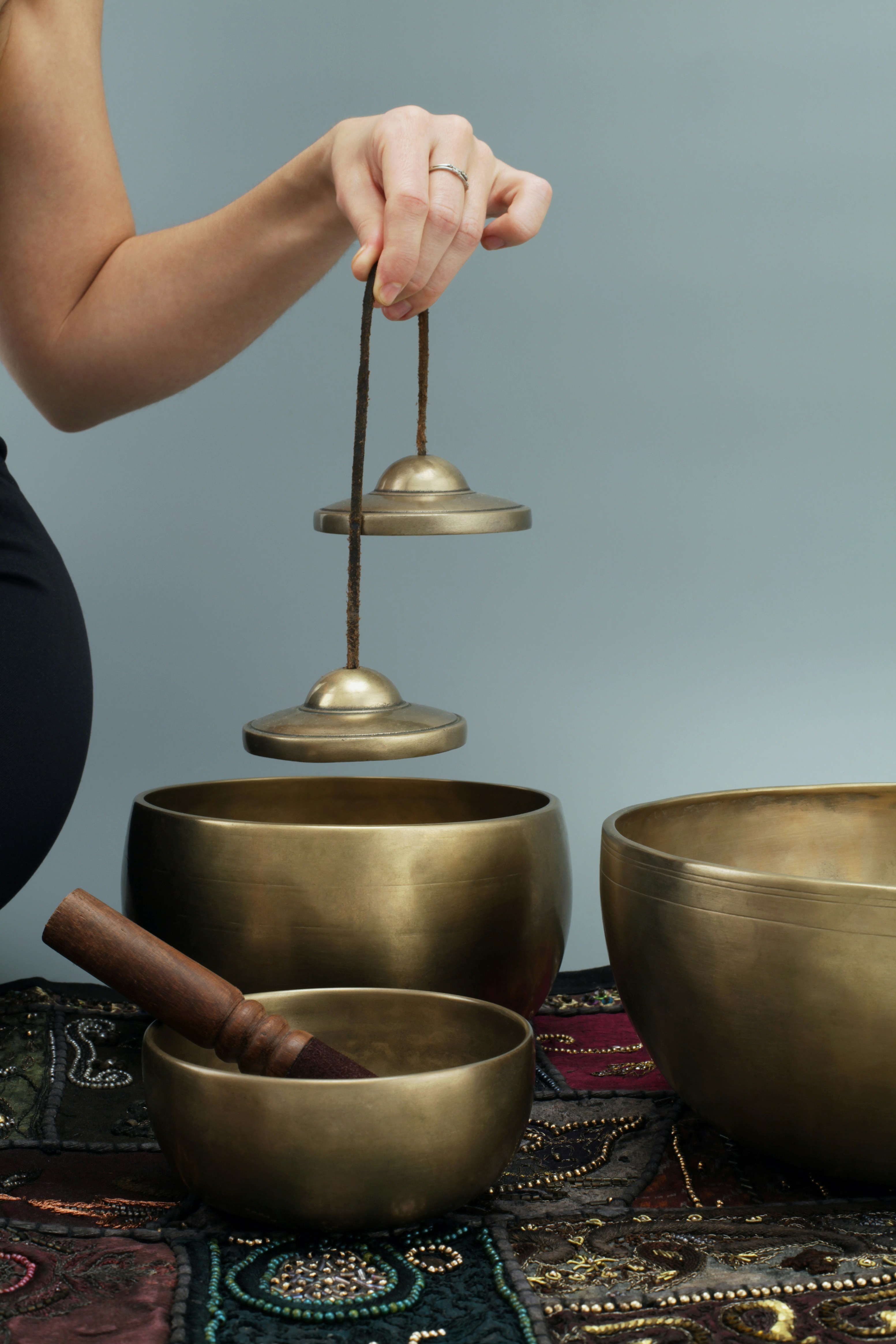
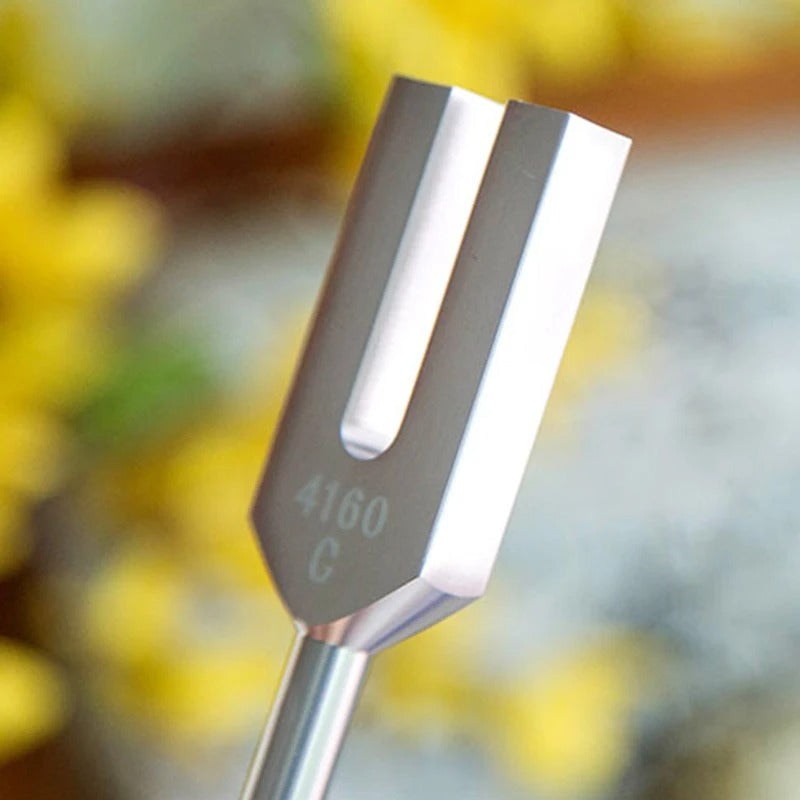
Sound healing is the practice of using sound and vibration to support physical and emotional wellbeing. Instruments such as singing bowls, gongs, chimes, tuning forks, and the voice create tones and vibrations that wash through the body, not just through your ears, but through your whole being.
It is a deeply calming, meditative experience, not a performance. You lie back, close your eyes, and let the sound do the work. No experience or preparation is needed, you simply rest and listen.
When sound is steady and slow, the body often responds by slowing down with it: the heart rate drops, the breath deepens, and the nervous system shifts toward a calm, rested state.
A short history of sound healing
From ancient ceremonies to modern sound baths.
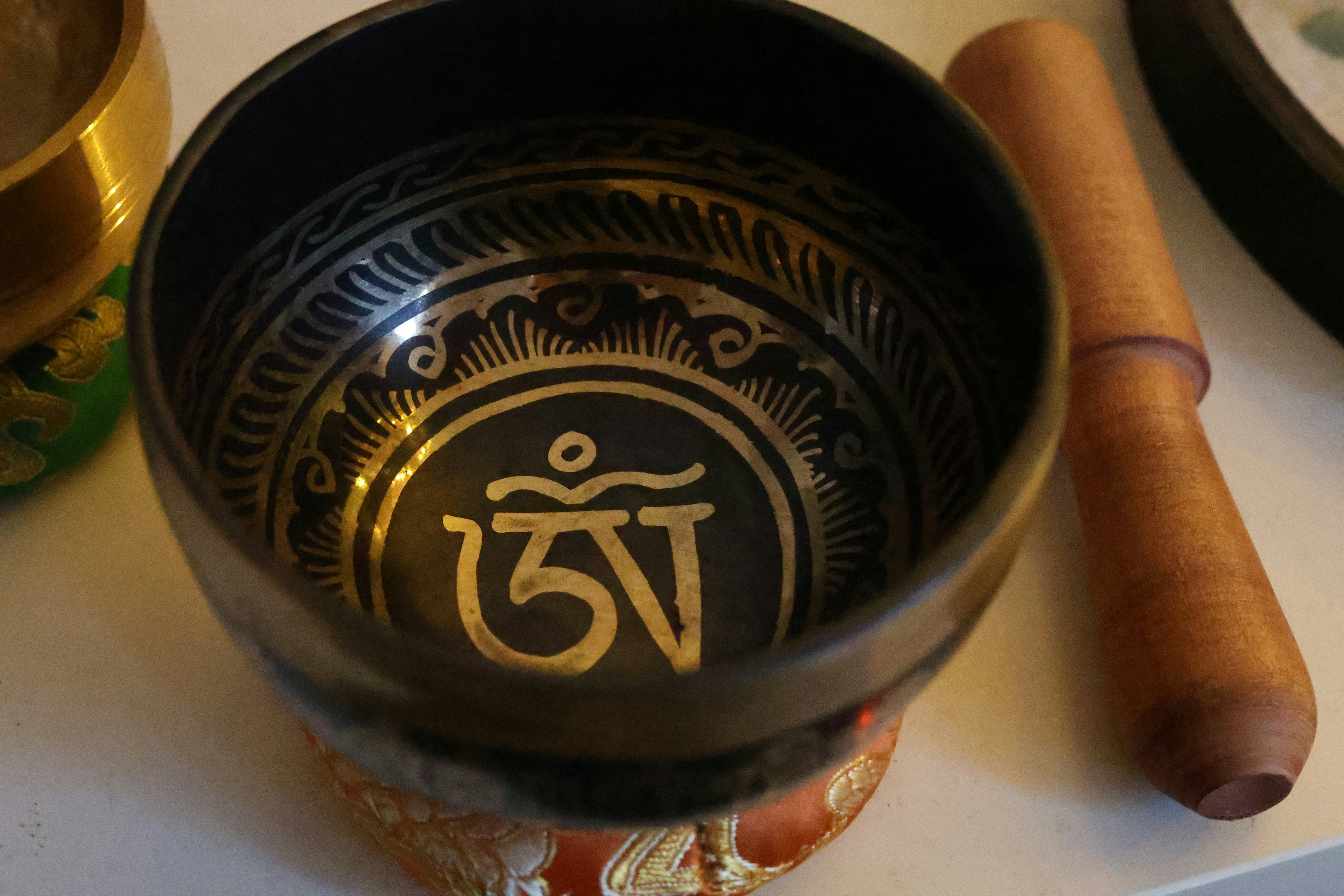
The use of sound for healing is as old as recorded history. Vedic mantras and the sound of 'OM' in India, the chants and acoustic chambers of Egyptian temples, the teaching of Pythagoras that musical harmony could restore balance in body and mind, and the chanting, bells, and gongs of Buddhist tradition, across cultures, rhythm and tone have long been woven into ceremony and care.
The singing bowl sound bath we know today grew popular in Western wellness from the 1970s onward, and the metal singing bowl itself is crafted largely by Himalayan artisans, with its exact origins debated among historians. Whatever their beginnings, these deeply resonant tones continue to invite stillness, and a growing field of research now studies the science behind the calm they create.
What research says
Modern studies are beginning to measure what listeners have long felt. In a well-known study of singing bowl sound meditation, participants reported significantly less tension, anger, fatigue, and depressed mood, and greater spiritual wellbeing. Other research has found that listening to singing bowls can slow the heart rate and lower blood pressure.
Researchers have also watched the brain respond. When people listen to the strong, rhythmic beating of a singing bowl, their brainwaves synchronize with that rhythm, a frequency that sits in the theta wave region linked to deep relaxation and meditation. A 2025 review of singing bowl studies found consistent reductions in anxiety and depressive symptoms, along with calmer, steadier heart activity.
Sound healing is a complementary practice, not a replacement for medical care. The research is promising but still young, and many studies are small. What is well established is the experience: many people leave a session feeling deeply rested, present, and calm.
A taste of a sound bath, thirty minutes of singing bowls for relaxation.
How it works
Vibration & Resonance
Everything in the body, cells, organs, and tissues, vibrates at its own natural frequency. Sound travels through the body as gentle mechanical vibration, and steady tones can help restore harmony when those rhythms fall out of balance.
Frequencies & Rhythm
Slow, steady tones can guide the nervous system toward a relaxed state, slowing the heart rate, lowering blood pressure, and deepening the breath, the body following the rhythm of the sound.
Intention & Presence
A session is a quiet space to listen, not only to the instruments, but to your own body and mind in the present moment. Falling asleep during a session is common, and often a good sign.
What a session feels like
01
You arrive and settle in a comfortable lying-down or seated position, often with a blanket and cushions.
02
The practitioner begins with gentle tones, gradually building a layered soundscape around you.
03
Waves of sound wash over you as bowls, gongs, and chimes are played, you simply rest and listen, feeling the vibration as much as hearing it.
04
The sound fades slowly, and you return gently to the present, taking a few quiet moments to land.
The instruments
Singing Bowls
Metal or crystal bowls that ring with rich, sustained tones when struck or circled with a mallet. Warm and complex from metal, clear and long-lasting from quartz crystal.
Gongs
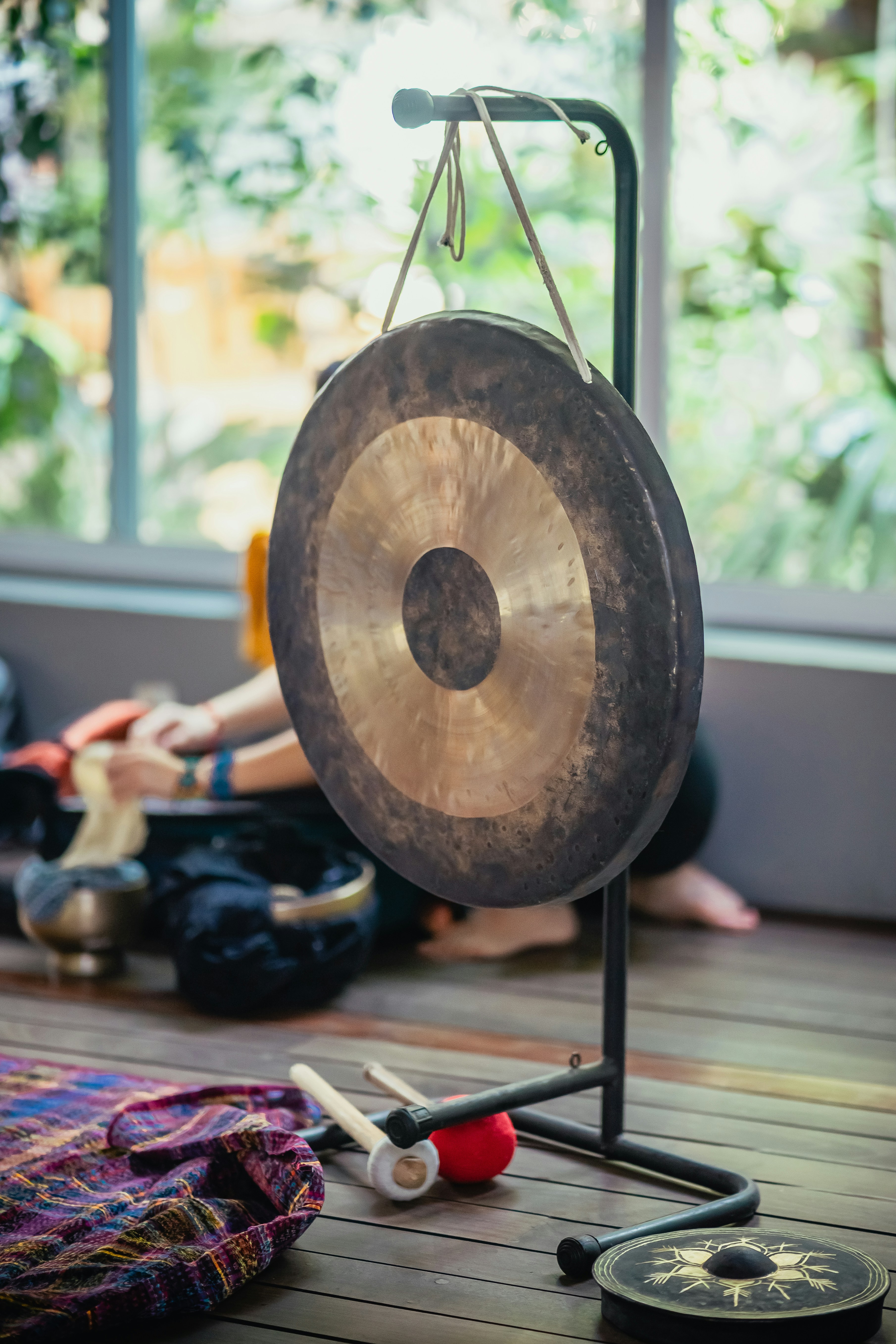
Large instruments that fill a room with deep, immersive sound, often used for profound relaxation and to mark the arc of a session.
Chimes & Bells
Bright, delicate sounds used to open and close a session with clarity and presence.
Tuning Forks
Precise frequencies, sometimes placed near or on the body, to support balance and calm.
Voice
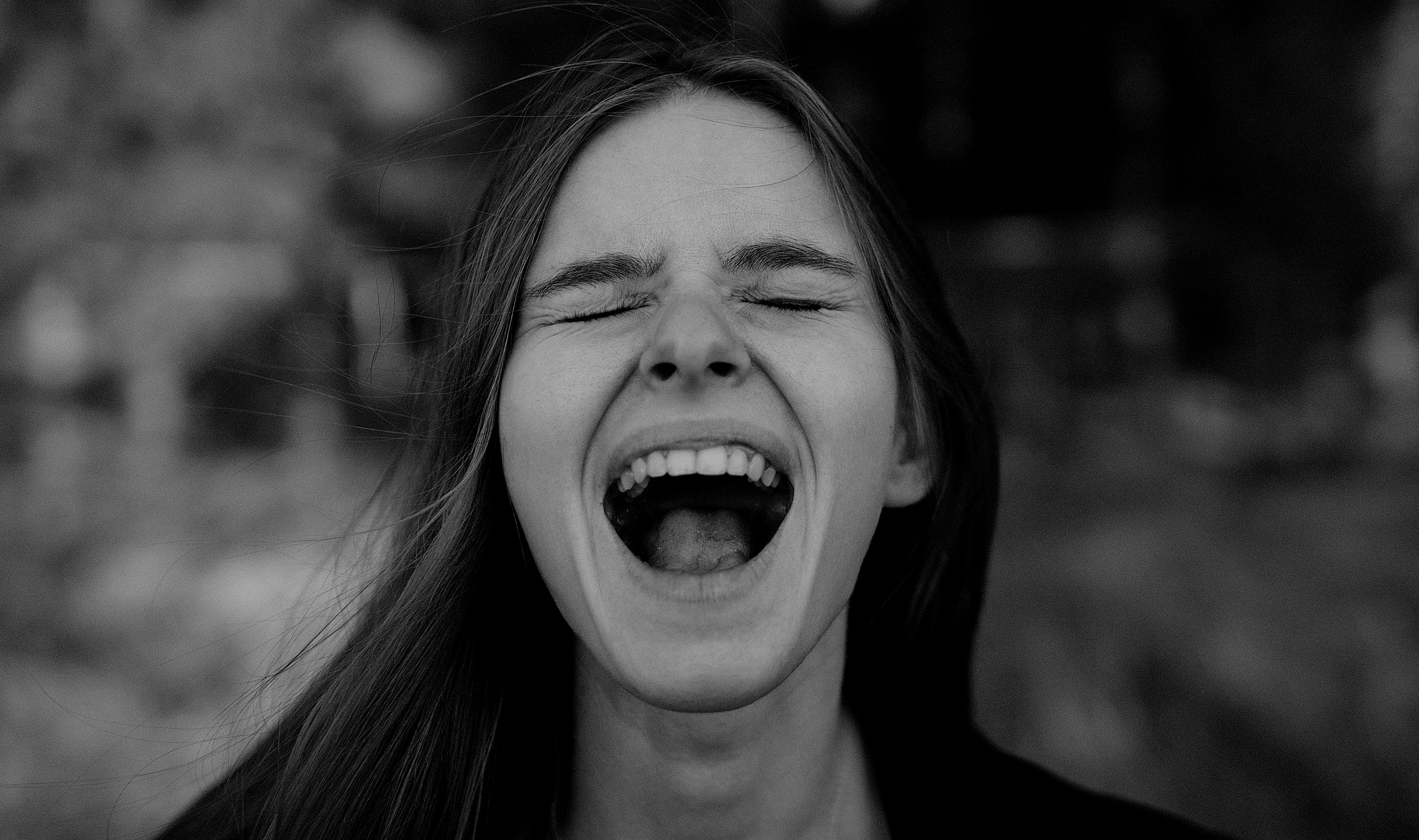
Humming, chanting, and mantras that bring a warm, human layer to the soundscape.
Potential benefits
Deep Relaxation
Sound sessions help the nervous system settle, releasing accumulated stress and inviting a state of deep calm.
Mental Clarity
A quieter, more settled mind emerges as steady tones guide your thoughts into a restful, present state.
Steady Rhythm
A slower heart rate and steadier breathing follow the rhythm of the sound, supporting your body's natural rest response.
Better Sleep
The deep relaxation carried from a session often continues into the night, supporting restful sleep and recovery.
Release Tension
Physical and mental tension loosens as vibration travels through the body, easing tightness held in muscles and mind.
Body Awareness
Sound meditation deepens the connection with your own body, helping you notice sensations, breath, and presence.
Space & Renewal
A session creates a quiet space apart from daily life, leaving you with a lasting sense of renewal and perspective.
Experience sound healing
A taste of what a sound bath feels like. Put on headphones, lie back, and let the sound carry you.
Thirty minutes of singing bowls for deep relaxation.A 432Hz sound bath with crystal bowls and gong.Three hours of crystal singing bowls, no talking, pure sound.
Common questions
Do I need any experience?
No. You simply lie back, close your eyes, and listen. There is nothing to do and nothing to get right.
What should I wear or bring?
Comfortable clothing. Many people like to bring a blanket and socks to stay warm while resting.
Is sound healing a medical treatment?
It is a complementary relaxation practice, not a substitute for medical care. Always follow the advice of your healthcare provider.
Is it safe for everyone?
For most people it is deeply relaxing. If you are pregnant or have a pacemaker or implanted device, check with your healthcare provider first; if you carry anxiety or a history of trauma, start with shorter sessions.
How long do the effects last?
Everyone is different. Many people feel relaxed for hours or days after a session, and repeated sessions tend to deepen the effects.